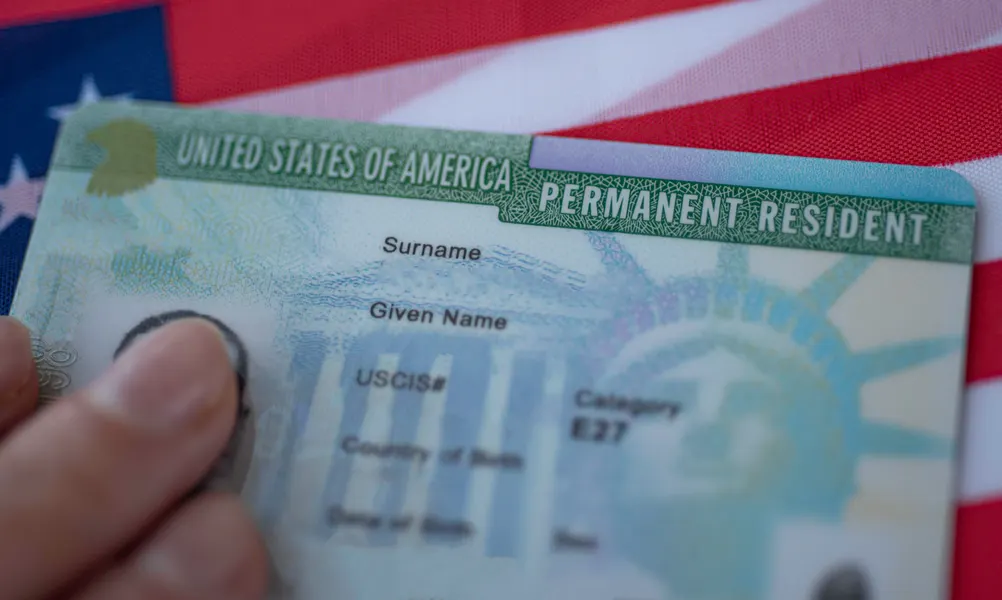
A U.S. Green Card allows an eligible foreign national to live and work permanently in the United States. Officially known as a Permanent Resident Card, it provides lawful permanent resident status and can open the door to long-term employment, education, and other opportunities in America.
However, getting a Green Card is not a single process that applies to everyone. There are several immigration pathways, and eligibility depends on factors such as family relationships, employment, humanitarian circumstances, investment, or other qualifying categories.
This guide explains the major Green Card pathways, basic eligibility requirements, the application process, common documents, costs, and important considerations for people planning to pursue permanent residence in the United States.
Important: U.S. immigration laws, government fees, processing procedures, and eligibility requirements can change. Always verify current requirements through official U.S. government resources before submitting an application or making financial commitments.
What Is a U.S. Green Card?
A Green Card is the common name for a Permanent Resident Card issued by U.S. Citizenship and Immigration Services (USCIS).
Lawful permanent resident status generally allows an individual to live permanently in the United States and work for eligible employers without needing a separate temporary employment visa for each job.
Permanent residents must still follow U.S. immigration laws and certain conditions associated with maintaining permanent resident status.
Who Can Get a U.S. Green Card?
There are several categories through which a person may qualify for permanent residence.
Some of the major pathways include:
- Family-based immigration
- Employment-based immigration
- Special immigrant categories
- Humanitarian and protection-based pathways
- Diversity Visa immigration
- Investment-based immigration
- Other specific categories established under U.S. immigration law
USCIS provides an official overview of Green Card eligibility categories, including family, employment, humanitarian, and other qualifying pathways.
1. Family-Based Green Card
Family relationships are one of the major pathways to U.S. permanent residence.
Eligible U.S. citizens and lawful permanent residents may be able to sponsor certain qualifying relatives, depending on the applicable immigration category.
Immediate relatives of U.S. citizens and other family-based immigrant categories are subject to different rules. Some categories may also have annual numerical limits, which can affect how quickly an applicant can obtain an immigrant visa or permanent residence.
The sponsoring relative generally begins the process by filing the appropriate petition with USCIS.
For more information, see the official USCIS information for family members of U.S. citizens and information for family members of Green Card holders.
2. Employment-Based Green Card
Employment-based immigration can provide a pathway to permanent residence for qualifying foreign workers.
The United States has several employment-based immigrant categories covering different groups of workers, including certain priority workers, professionals with advanced degrees or exceptional ability, skilled workers, professionals, and other qualifying applicants.
Depending on the category, an employer may need to sponsor the worker and complete additional requirements before the immigration application can proceed.
USCIS provides information about employment-based Green Cards.
Some employment-based cases require an approved labor certification from the U.S. Department of Labor, while other categories may have different requirements.
A temporary work visa should not automatically be considered a Green Card. Temporary employment authorization and permanent residence are separate immigration classifications.
3. Green Card Through an Employer
An employer-sponsored Green Card can be an option for certain foreign workers who have the required qualifications and an eligible U.S. employer.
The process can involve several stages, including determining the appropriate employment-based category, completing any required labor certification process, filing an immigrant petition, and applying for permanent residence when permitted.
The exact process depends on the employment-based category and the applicant’s circumstances.
The U.S. Department of Labor’s permanent labor certification information provides official information about the PERM labor certification process.
4. Diversity Visa Program
The Diversity Visa program provides a limited number of immigrant visas each year to eligible individuals from countries with historically lower levels of immigration to the United States.
Applicants must meet the applicable education or work experience requirements and other eligibility conditions.
Selection in the Diversity Visa program does not guarantee that an applicant will receive a Green Card. Selected applicants must still complete the required immigration process and satisfy all eligibility requirements.
The U.S. Department of State provides the official Diversity Visa Program information.
Important: The Diversity Visa program can be affected by changes in government policy and visa availability. Applicants should check the latest official Department of State announcements rather than relying on old articles or social media posts.
5. Green Card Through Investment
The EB-5 immigrant investor category provides a potential pathway to permanent residence for qualifying investors who meet the applicable investment and job-creation requirements.
Because the financial and legal requirements can be substantial, anyone considering an investment-based immigration route should carefully review the current requirements and obtain professional advice where appropriate.
USCIS provides official information about the EB-5 Immigrant Investor Program.
Applicants should conduct independent due diligence before committing significant funds to an investment opportunity.
6. Humanitarian and Other Immigration Pathways
Certain individuals may qualify for permanent residence through humanitarian or other special immigration provisions.
Examples can include certain refugees, asylees, victims of qualifying crimes or abuse, special immigrants, and other individuals covered by specific provisions of U.S. immigration law.
These categories have specialized eligibility requirements, so applicants should review the rules that apply to their particular circumstances.
USCIS provides information about humanitarian immigration programs and related pathways.
How to Apply for a U.S. Green Card
The application process depends on the immigration category. However, many Green Card cases involve several important stages.
Step 1: Identify Your Immigration Category
The first step is determining which Green Card category may apply to you.
Your eligibility could be based on a family relationship, employment, investment, humanitarian protection, Diversity Visa selection, or another qualifying immigration category.
Choosing the correct category is important because each pathway has different requirements.
The official USCIS Green Card eligibility categories page is a useful starting point.
Step 2: File the Required Petition or Application
Depending on the category, a qualifying family member, employer, or another eligible petitioner may need to file an immigration petition with USCIS.
Some applicants may be able to file an application themselves when the applicable immigration category permits it.
Applicants should use the correct USCIS forms and follow the filing instructions carefully.
The official USCIS Forms page provides current immigration forms and instructions.
Step 3: Check Visa Availability
Some employment-based and family-based immigrant categories are subject to annual numerical limits.
When a category is subject to a waiting list, an applicant may need to wait until an immigrant visa becomes available before completing the final stage of the permanent residence process.
The U.S. Department of State publishes a monthly Visa Bulletin showing immigrant visa availability for categories subject to numerical limits.
Visa availability can change from month to month, so applicants should check the current Visa Bulletin rather than relying on an old processing estimate.
Step 4: Complete the Required Immigration Process
Depending on whether the applicant is inside or outside the United States, the final process may involve adjustment of status or consular processing.
Adjustment of status generally involves applying for permanent residence from within the United States when the applicant is eligible to do so.
For applicants outside the United States, the process may involve immigrant visa processing through a U.S. embassy or consulate.
Step 5: Attend an Interview if Required
Some applicants may be required to attend an immigration or visa interview.
The applicant may be asked questions about their application, family relationship, employment, immigration history, or other relevant circumstances.
All information provided to immigration authorities should be truthful and accurate.
Step 6: Complete the Required Medical Examination
Depending on the immigration category and application process, applicants may need to complete a required immigration medical examination.
USCIS provides information about the designated civil surgeon process for applicants who need a medical examination in the United States.
Documents You May Need
The documents required for a Green Card application depend on the immigration category.
Common documents can include:
- Valid passport
- Birth certificate
- Marriage certificate where applicable
- Evidence of qualifying family relationship
- Employment and professional records
- Immigration forms and filing confirmations
- Financial documents where required
- Police or civil documents where applicable
- Medical examination documentation where required
- Evidence supporting the applicable immigration category
Do not submit documents simply because they appear on a general checklist. Always follow the document requirements for your specific immigration category and application procedure.
How Long Does It Take to Get a Green Card?
There is no single processing time for every Green Card application.
The timeline can depend on the immigration category, whether the case is subject to a visa quota, the applicant’s country of chargeability, government processing times, document requirements, interviews, and other factors.
Family-based and employment-based categories subject to numerical limits may involve significant waiting periods.
Applicants should check the USCIS processing times and the Department of State’s Visa Bulletin when applicable.
How Much Does a Green Card Cost?
The cost of obtaining permanent residence varies depending on the immigration category and application process.
Potential expenses can include government filing fees, medical examination costs, document preparation, translations, immigration attorney fees, and other administrative expenses.
Government fees can change, so applicants should check the current USCIS Fee Schedule before submitting an application.
If you are immigrating through consular processing, you should also review the applicable fees and instructions provided by the U.S. Department of State.
Green Card vs. U.S. Citizenship
A Green Card provides lawful permanent resident status, while U.S. citizenship provides additional rights and responsibilities.
A lawful permanent resident can generally live and work permanently in the United States, subject to the requirements of permanent resident status.
U.S. citizens have additional rights, including the ability to vote in federal elections and hold a U.S. passport.
Some Green Card holders may eventually become eligible to apply for naturalization if they meet the applicable requirements.
USCIS provides official information about U.S. citizenship and naturalization.
Can Green Card Holders Work in the United States?
Yes. Lawful permanent residents are generally authorized to work in the United States.
A Green Card can therefore provide greater employment flexibility than many temporary employment classifications.
However, certain positions may have additional citizenship or security-related requirements under federal, state, or other applicable laws.
Can a Green Card Holder Live Outside the United States?
Permanent residents should be careful about spending extended periods outside the United States.
Long absences can raise questions about whether a person continues to maintain permanent residence, depending on the circumstances.
USCIS provides information about maintaining permanent residence.
Anyone planning extended international travel should understand the potential immigration consequences before leaving the United States.
Common Green Card Mistakes to Avoid
Immigration applications can involve significant documentation and legal requirements. Applicants should avoid common mistakes such as:
- Using an incorrect immigration category
- Submitting incomplete forms
- Providing inconsistent information
- Using inaccurate or fraudulent documents
- Missing government deadlines
- Relying on outdated immigration information
- Paying someone who promises guaranteed approval
- Making travel or financial commitments before understanding the application status
Beware of Green Card Scams
People seeking U.S. permanent residence can be targeted by immigration scams.
Be particularly cautious of anyone who claims they can guarantee a Green Card, guarantee an immigration interview, or obtain special treatment from U.S. immigration officials in exchange for money.
The U.S. Department of State also warns applicants about fraudulent websites and communications that attempt to imitate official government services.
For Diversity Visa applicants in particular, the Department of State states that the official online entry is free and warns applicants about fraud and scams.
Use official U.S. government websites whenever possible and verify the identity and credentials of anyone offering professional immigration assistance.
Can an Immigration Attorney Help With a Green Card?
U.S. immigration law can be complicated, particularly when a case involves employment sponsorship, family petitions, previous immigration issues, complicated documentation, or other legal circumstances.
A qualified immigration attorney can explain the applicable process, help prepare legal filings, and identify potential issues with an application.
Hiring an attorney does not guarantee approval. Before paying for legal services, verify the professional’s credentials and understand the services and fees included in the agreement.
Frequently Asked Questions About U.S. Green Cards
What is the easiest way to get a U.S. Green Card?
There is no single Green Card pathway that is easiest for everyone. Eligibility depends on an individual’s circumstances, including family relationships, employment qualifications, immigration category, and other factors.
Can I get a Green Card through my job?
Yes. Certain employment-based immigration categories allow qualifying workers to obtain permanent residence through employment. Some categories require an employer sponsor, while others have different requirements.
Can I get a Green Card through a family member?
Potentially. Certain U.S. citizens and lawful permanent residents can petition for qualifying relatives. The available category depends on the relationship and the immigration status of the sponsoring relative.
Does winning the Diversity Visa guarantee a Green Card?
No. Selection in the Diversity Visa program does not automatically guarantee permanent residence. Selected applicants must complete the required process and remain eligible under the applicable immigration rules.
Can I work after getting a Green Card?
Lawful permanent residents are generally authorized to work in the United States. Some specific jobs may have additional legal requirements.
Can a Green Card holder become a U.S. citizen?
Some lawful permanent residents may eventually qualify to apply for naturalization. Eligibility depends on meeting the applicable requirements, including residence, physical presence, and other conditions.
Where can I find official U.S. immigration information?
The best starting points are the official USCIS website and the U.S. Department of State immigrant visa website.
For current immigrant visa availability, check the Visa Bulletin.
A U.S. Green Card can provide lawful permanent resident status and the ability to build a long-term life and career in the United States.
There are several potential pathways to permanent residence, including family-based immigration, employment-based immigration, the Diversity Visa program, investment-based immigration, and other qualifying categories.
The correct pathway depends on your individual circumstances. Before applying, carefully review the requirements for your immigration category, prepare the required documentation, and use current information from official U.S. government sources.
Most importantly, avoid anyone promising guaranteed Green Card approval or guaranteed immigration results. A legitimate immigration process requires meeting the applicable legal requirements and completing the required procedures.
This article is for general informational purposes only and does not constitute legal advice. U.S. immigration rules, fees, and procedures can change. Check current information with USCIS and the U.S. Department of State or consult a qualified immigration professional for advice about your specific circumstances.